Duration: March 2026 - February 2027
Funding Scheme: ESRC Impact Acceleration Account (Plant Route)
Principal Investigator: Dr Ann-Christin Zuntz
The Challenge
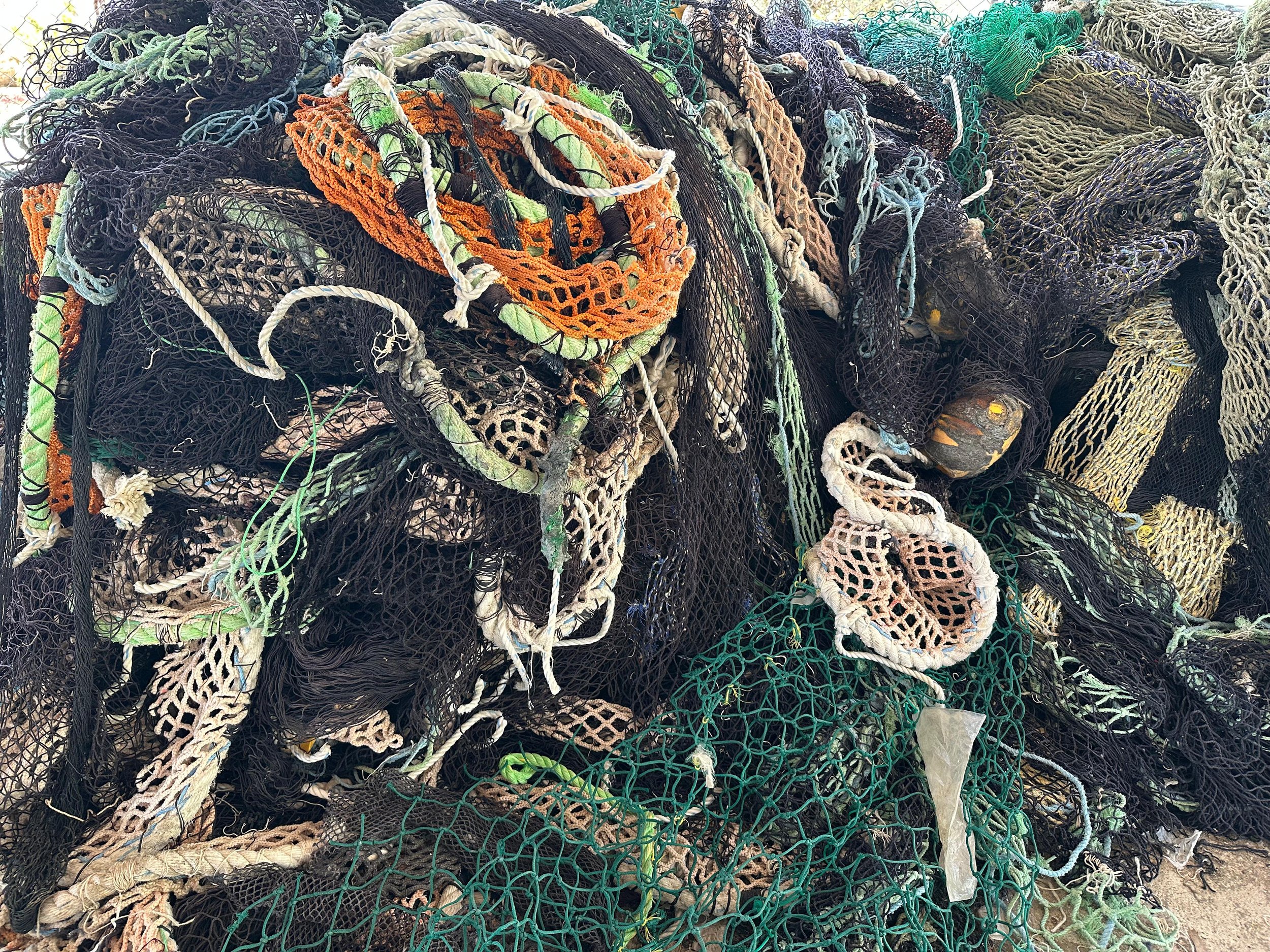
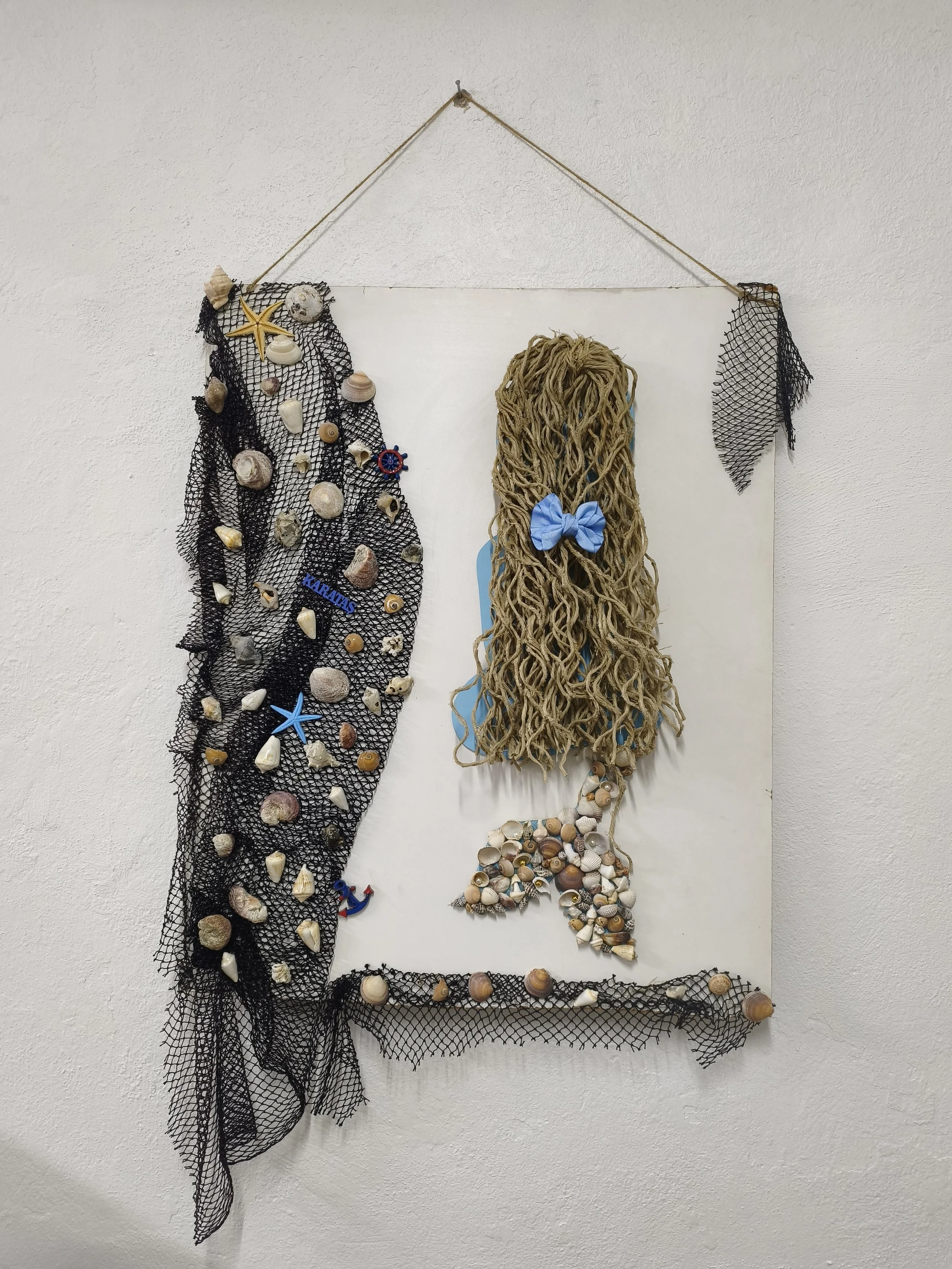
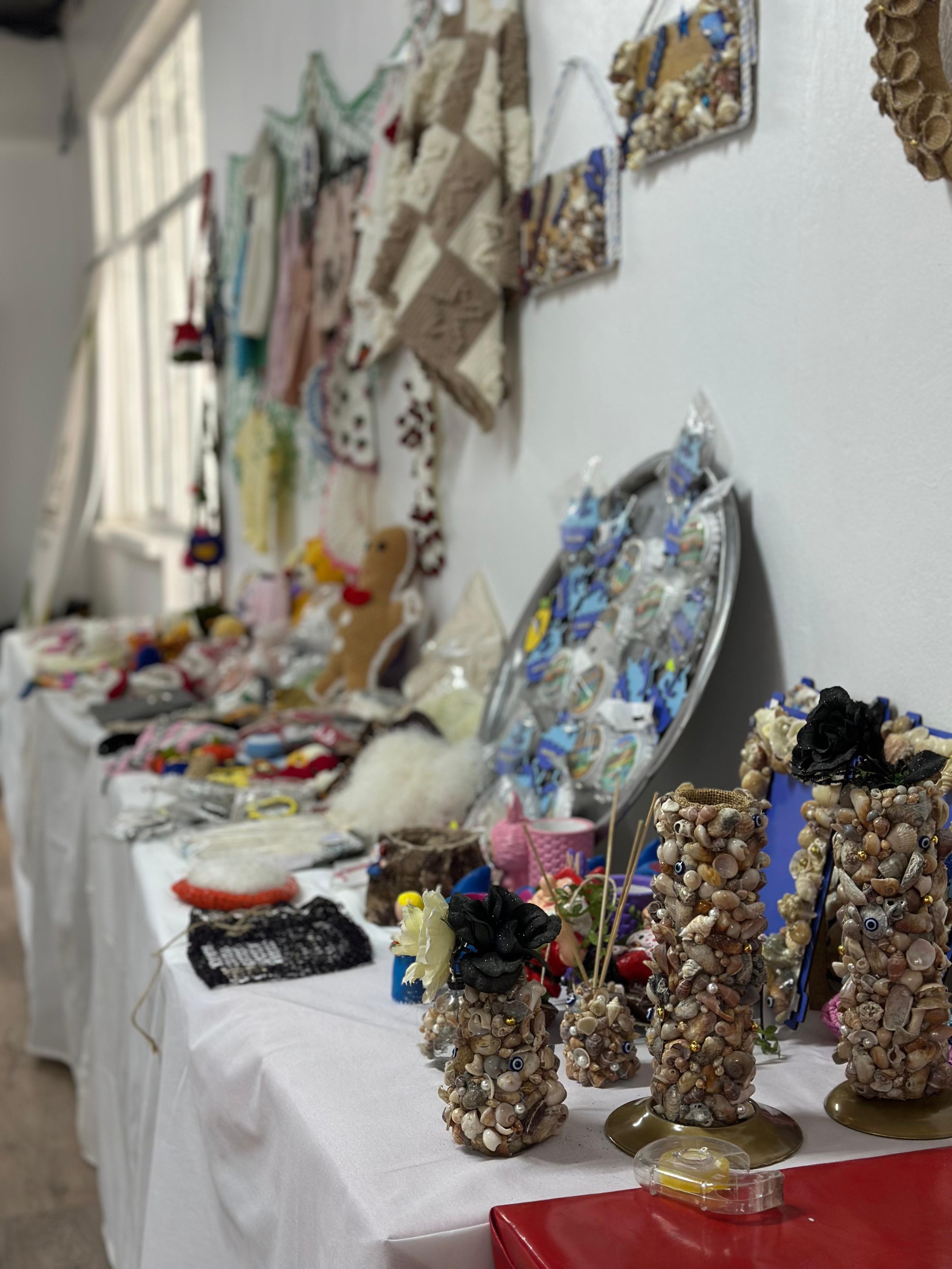
The “Net Income” project will support the Magarsus cooperative, a Turkish women’ cooperative in Karataş, a Turkish fishing town, that mends and upcycles fishing nets into textile products. This allows us to tackle co-occurring challenges in the Mediterranean: environmental and human health risks in places where displacement, poverty, and pollution coincide; and gendered barriers to employment. The project brings together academics from Edinburgh’s One Health FIELD Network and the Turkish non-profit cooperative Development Workshop. It combines business development with policy engagement. First, through targeted capacity-building, we will help the cooperative attract funding from (inter)national donors, and later market their products independently. This will create a localised, bottom-up solution for improving female livelihoods in areas under environmental strain. Second, during a meeting with (inter)national policymakers in Ankara, we will use this successful case study to advocate for a joint approach to environmental sustainability and female economic empowerment, and to unlock funding for similar initiatives in the region.
Publications
Coming soon!
Research Aims
Taking a successful grassroots initiative to the next level. In spring 2024, Karataş municipality organised a workshop to introduce sixteen Turkish women to upcycling, provided sewing machines and workspace, and helped them register as a cooperative. Since then, using local skills and networks, the cooperative has sold products locally, e.g., table cloths to restaurants. It has established its social media presence1, run net-mending and health workshops, and received small-scale support from UNDP, Adana Metropolitan Municipality, and companies. In a town with Arab heritage, the cooperative is a unique space for fostering solidarity with Syrian refugee women.
What is needed now? In 2024, we were approached by Karataş Municipality to help the cooperative access another tier of funding. The initial workshop highlighted the need to understand women’s business skills, and how they can reconcile cooperative with family work. Through capacity-building, which will result in a concept note on the cooperative’s strategic goals that can be shared with donors, we will help it communicate more efficiently with investors (inter)nationally. Ultimately, this will benefit not only the cooperative, but also the wider local community, and fishing communities elsewhere who can take up this model.
Planned activities. In May 2026, we conducted a rapid needs analysis with the Magarsus cooperative and Karataş municipality to 1) map local stakeholders; 2) understand women’s roles in fishing and how they can reconcile cooperative and (re)productive labour; 3) map women’s business skills and identify women interested in learning about marketing and financial literacy; 4) understand relationships between Turkish and Syrian women. Based on the results, we will deliver a targeted capacity-building programme in September 2026.
After the capacity-building, we will co-produce with the women a concept note that the cooperative can use to apply for funding from international donors (e.g., EU, IOM, bilateral development agencies), and a policy report for advocacy with (inter)national key stakeholders. Both outputs will be distributed at a meeting in Ankara in early 2027.
Long-term, Development Workshop will provide further online support to the Magarsus cooperative. The One Health FIELD Network will showcase its products at its events (e.g., University’s Refugee Week and Impact Festival) and explore opportunities for the University to retail them.
Anticipated Outcomes and Impact
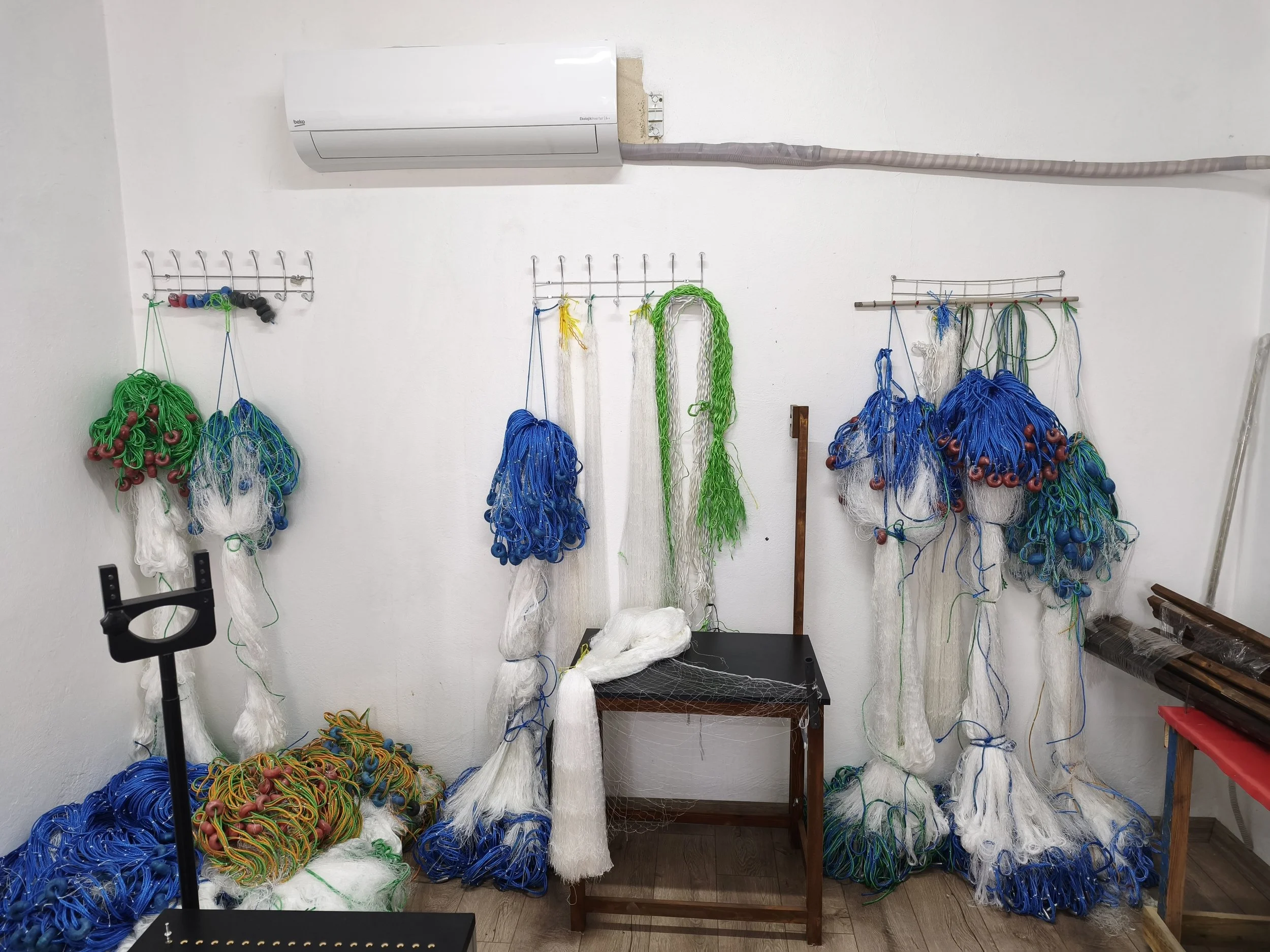
OUTCOME A: Business development of a grassroots initiative. In the short-term, the project will help the Magarsus cooperative in Karataş kickstart their production through building capacities and a support infrastructure involving public and private sector; in the longer term, it will create a financially sustainable business.
OUTCOME B: Policy engagement and replicability. We will create a successful case study that can be used for advocacy with Turkish and international key stakeholders (e.g., INGOs, bilateral development agencies, EU) to unlock support for similar bottom-up recycling initiatives that jointly address syndemic health and gendered employment challenges.
Partners
Funded by

Principal Investigator

Dr Ann-Christin Zuntz
The Research Team